

The keyword 185.63.253.2pp has recently appeared in online searches, technical discussions, logs, and curiosity-driven forums. Many people notice it and wonder what it means, whether it is dangerous, and if it represents a real IP address or something else entirely.
At first glance, 185.63.253.2pp looks similar to a standard IPv4 address, but the added suffix “pp” makes it unusual. This small difference creates confusion, misinformation, and concern for users who are not deeply familiar with networking concepts.
Unlike many short or unclear articles online, this guide goes deeper. It explains not only what 185.63.253.2pp is, but also what it is not. It also explores how similar terms are used in cybersecurity, server logs, development environments, and online tools.

Understanding the Basics of IP Addresses
To clearly understand 185.63.253.2pp, you must first understand what an IP address is.
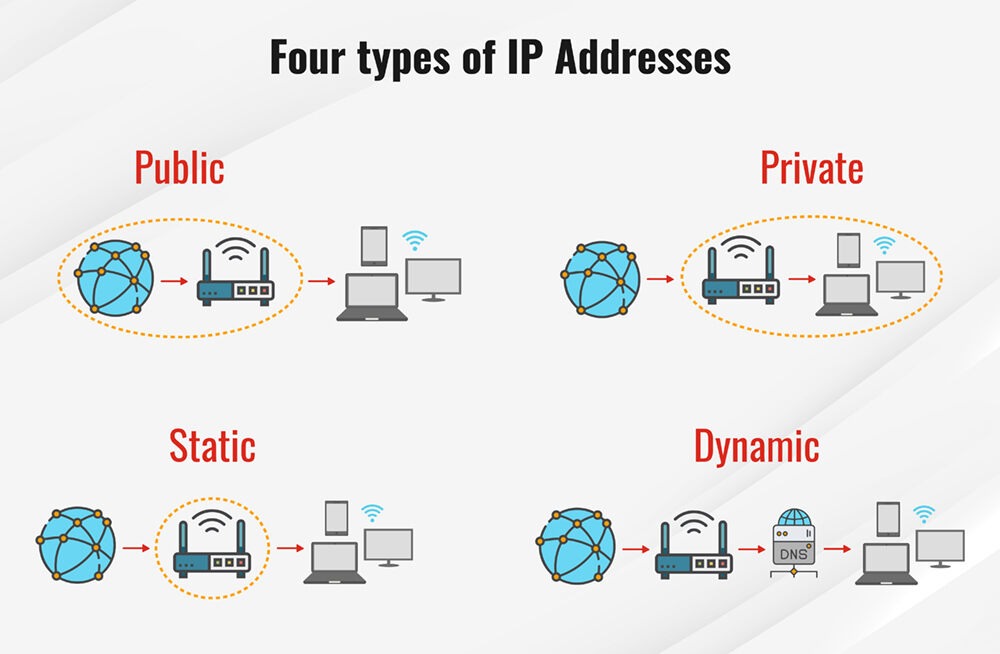
An IP address, or Internet Protocol address, is a unique number assigned to every device connected to the internet. It allows computers, phones, and servers to find and communicate with each other.
The most common format is IPv4. An IPv4 address looks like four numbers separated by dots, such as 185.63.253.2. Each number ranges from 0 to 255.
When you visit a website, send an email, or stream a video, IP addresses work silently in the background to make sure data goes to the correct place.
Is 185.63.253.2pp a Valid IP Address
A standard IPv4 address ends after the fourth number. Because of this rule, 185.63.253.2pp is not a valid IP address in the traditional sense.
The core part, 185.63.253.2, follows IPv4 rules. However, the added “pp” makes it invalid for direct internet routing. Internet routers, servers, and browsers do not recognize IP addresses with letters added to them.
This means 185.63.253.2pp cannot function as a real destination on the public internet.
Also Read: Nerovet AI Dental: The Future of Intelligent Dental Care
Why Does 185.63.253.2pp Exist
Even though it is not a valid IP address, 185.63.253.2pp still appears in many places online. There are several reasons why this happens.
One common reason is logging or labeling. Developers and system administrators sometimes add extra letters to an IP address to mark a category, status, or internal note.
Another reason is testing or placeholder usage. In software development, modified IP-like strings are often used to avoid connecting to real servers during tests.
In some cases, 185.63.253.2pp may appear due to user error. Someone may accidentally type extra characters or copy text incorrectly.
Finally, it can also appear in security research discussions where examples must not point to real, active systems.
Breaking Down 185.63.253.2pp Step by Step
To make this easier, let’s break 185.63.253.2pp into two parts.
The first part is 185.63.253.2. This follows IPv4 formatting rules and could represent a real IP address. IP addresses starting with 185 are commonly assigned to organizations in Europe, though this does not guarantee the location or ownership.
The second part is “pp”. This suffix has no official meaning in internet protocols. It is not recognized by IPv4, IPv6, DNS, or any global networking standard.
Because of this, the suffix is purely contextual. Its meaning depends entirely on where and how 185.63.253.2pp is used.
Common Places Where 185.63.253.2pp Appears
Many users first encounter 185.63.253.2pp in system logs, firewall alerts, analytics tools, or online discussions.
In server logs, it may be used as a masked or modified IP address to protect privacy.
In cybersecurity forums, it may be used as an example of suspicious traffic without exposing real systems.
In programming documentation, it may serve as a fictional address to demonstrate how IP handling works.
In rare cases, it may appear in spam reports or automated scans where data has been altered.
Is 185.63.253.2pp Dangerous
A very common question is whether 185.63.253.2pp represents a threat.
By itself, 185.63.253.2pp is not dangerous. It is not a functioning IP address and cannot directly connect to your device.
However, context matters. If you see 185.63.253.2pp in a security alert, it does not mean the suffix is harmful. It may simply indicate that the original IP was modified or tagged.
Real threats come from actual IP addresses performing malicious actions, not from invalid strings like 185.63.253.2pp.
185.63.253.2pp and Cybersecurity Discussions
In cybersecurity, it is common to slightly change real data to prevent misuse.
Researchers often add letters to IP addresses to stop readers from accidentally clicking, connecting, or targeting a real system.
This makes 185.63.253.2pp useful as a safe example. It allows discussion without risk.
This practice protects both researchers and innocent system owners.
How Search Engines Interpret 185.63.253.2pp
Search engines like Google treat 185.63.253.2pp as a text string, not a technical IP address.
Because people search for it, content explaining it can rank well if it is clear, accurate, and helpful.
Google values content that answers user intent. In this case, the intent is understanding what 185.63.253.2pp means and whether it matters.
High-quality explanations written in simple language tend to perform best.
Misconceptions About 185.63.253.2pp
One major misconception is that 185.63.253.2pp is a secret hacking address. This is not true.
Another misconception is that the “pp” stands for a known protocol. It does not.
Some people believe it automatically indicates malware. This is also incorrect.
Most misunderstandings come from seeing unfamiliar technical text without explanation.
Also Read: Sruffer DB: A Complete, Easy-to-Understand Guide for Modern Data-Driven Organizations
Can You Ping or Trace 185.63.253.2pp
You cannot ping, trace, or connect to 185.63.253.2pp because it is not valid.
Tools like ping, traceroute, or browsers require proper IP formatting.
If you remove the “pp” and test 185.63.253.2, that may work, but it refers to a completely different thing.
185.63.253.2pp vs Real IP Addresses
A real IP address directly routes traffic.
185.63.253.2pp does not route traffic at all.
This distinction is important. Treating them the same can lead to confusion, false alarms, and wasted troubleshooting time.
Why Developers Use Modified IP Formats Like 185.63.253.2pp
Developers often need examples that look real but are safe.
By adding letters, they avoid accidental real-world connections.
This practice improves safety, clarity, and teaching quality.
Legal and Ethical Considerations
Using real IP addresses in public examples can expose private infrastructure.
Using modified forms like 185.63.253.2pp helps avoid legal and ethical problems.
This is especially important in the United States, where data protection and misuse laws are taken seriously.
Should You Block 185.63.253.2pp in a Firewall
Blocking 185.63.253.2pp is unnecessary.
Firewalls only work with valid IP addresses.
If you see it in a rule or log, focus on the real IP behind it.
How to Investigate Similar Entries Safely
If you see strange IP-like strings, do not panic.
Check whether the format is valid.
Look at context.
Search reliable sources before assuming risk.
Expert Insight on 185.63.253.2pp
From a networking and security perspective, 185.63.253.2pp is best described as a labeled or fictional IP-style identifier.
It serves informational or protective purposes, not operational ones.
Understanding this reduces fear and improves technical confidence.
Future Relevance of Terms Like 185.63.253.2pp
As privacy concerns grow, more examples will avoid real IPs.
Modified formats will become even more common.
Knowing how to recognize them is a useful digital skill.
Best Practices When You Encounter 185.63.253.2pp
Stay calm.
Check formatting.
Understand context.
Avoid assumptions.
Seek reliable explanations.
Also Read: Global Sourcing Solutions for Modern Supply Chain Success
Frequently Asked Questions About 185.63.253.2pp
What does the pp in 185.63.253.2pp stand for?
There is no official meaning. It is usually a custom label added by humans or systems.
Can 185.63.253.2pp harm my computer?
No. It is not a functional IP address.
Is 185.63.253.2pp used by hackers?
Hackers use real IP addresses. This term is usually an example or modified reference.
Why did I see 185.63.253.2pp in a log file?
It may be masked data, a test value, or a labeled entry.
Should I report 185.63.253.2pp to my ISP?
No. ISPs only handle real IP addresses.
Can I remove the pp and use the IP?
You should not interact with unknown IP addresses unless you understand the risk.
Is 185.63.253.2pp related to IPv6?
No. IPv6 uses a completely different format.
Final Thoughts on 185.63.253.2pp
The term 185.63.253.2pp may look confusing at first, but it becomes simple once explained clearly. It is not a real IP address, not a threat, and not something to fear.
It exists mainly for labeling, testing, privacy protection, or demonstration purposes.
Understanding terms like 185.63.253.2pp helps you become more confident and informed in a digital world filled with technical language.
With accurate knowledge, you can separate real risks from harmless examples and navigate online information with clarity and trust.