
Mannacote is a term that can carry a range of meanings depending on context. It is commonly associated with food, specifically a pasta dish, but it also has applications in industrial and agricultural settings, particularly as a coating for fertilizers. In this comprehensive article, we will dive into the history, uses, and significance of Mannacote, exploring both its culinary and industrial associations. We will also provide insights and analyses to enrich the reader’s understanding of this term.
What is Mannacote?
The term “mannacote” has two primary associations—one in the culinary world and the other in the agricultural industry. Both of these applications come from distinct areas, but they share a connection to the word “manicotti,” an Italian-American pasta dish.
Mannacote in the Culinary World
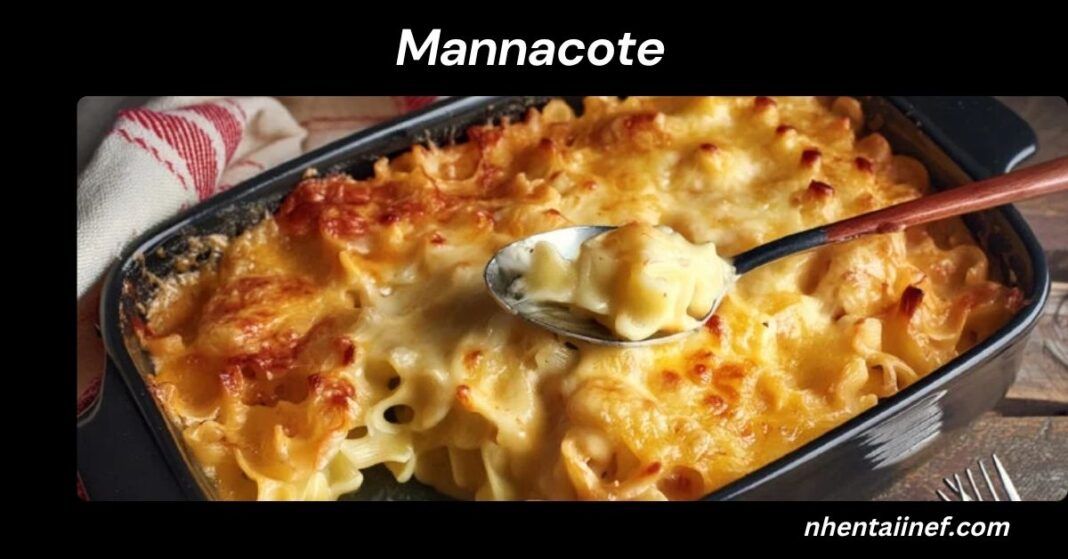
In culinary terms, “mannacote” is often used to refer to a dish similar to manicotti. Manicotti is a popular Italian-American dish consisting of large pasta tubes stuffed with a variety of fillings, such as ricotta cheese, spinach, or ground meat, and then baked in marinara sauce and cheese. Mannacote, while not an official term in most culinary dictionaries, is sometimes used colloquially in certain regions to describe a version of manicotti or a similar baked pasta dish.
Also Read: Direct Fairways Lawsuit: A Comprehensive Overview
In essence, when people talk about mannacote, they are often referring to the classic Italian-American baked pasta meal known as manicotti. The name “mannacote” may simply be a regional variation, with some families or restaurants adopting it to describe their own unique takes on the dish.
Mannacote in Industrial and Agricultural Use
Mannacote also refers to a brand name for a fertilizer coating product. In this context, it’s a material that coats fertilizers to enhance their effectiveness and release characteristics. Mannacote is specifically designed to control the release of nutrients in fertilizers, providing plants with a more consistent and gradual supply of essential nutrients. This controlled-release mechanism helps improve plant growth and reduces the risk of nutrient runoff, which can lead to environmental pollution.
The Mannacote brand has gained popularity among agriculturalists for its efficiency in providing long-lasting fertilizer benefits. It’s used across various crops, from grains to fruits, helping maximize yield while minimizing waste. This product has played a significant role in modern farming practices by offering a more sustainable approach to nutrient delivery.
The History Behind Mannacote
The origins of the term “mannacote” are somewhat unclear, particularly when considering its culinary roots. It is believed that the term is a regional variation of “manicotti,” the Italian pasta dish, influenced by the dialects and local vernaculars of Italian-American communities. Manicotti itself originated from Italy, where it was called “manicotto,” meaning “little sleeve,” referring to the large pasta tubes used for stuffing.
As for its industrial use, Mannacote as a fertilizer coating has been around for several decades. It was developed as part of an effort to create more efficient and eco-friendly fertilizer solutions that would minimize waste and promote more sustainable agricultural practices. Mannacote’s controlled-release technology continues to evolve, adapting to the needs of modern farming.
Mannacote in the Kitchen: Recipes and Variations
If you’re a fan of Italian-American cuisine, you may be familiar with the rich, cheesy, and savory flavors of manicotti. Mannacote, as a variation of manicotti, offers a similar, comforting experience. Below are a few creative takes on this dish that highlight its versatility.
Also Read: Findutbes: The Ultimate Guide to Free Online Video Streaming
Classic Baked Mannacote
Ingredients:
- 12 manicotti shells (or equivalent of mannacote pasta)
- 2 cups ricotta cheese
- 1 ½ cups mozzarella cheese, shredded
- 1 cup Parmesan cheese, grated
- 1 egg
- 2 cups spinach (or other veggies of choice)
- 3 cups marinara sauce
- Salt and pepper to taste
Instructions:
- Preheat your oven to 375°F (190°C).
- Boil the manicotti shells until al dente, following the package instructions. Drain and set aside.
- In a bowl, mix together the ricotta cheese, mozzarella, Parmesan, egg, spinach, salt, and pepper until well combined.
- Stuff each shell with the cheese mixture.
- Spread a thin layer of marinara sauce on the bottom of a baking dish.
- Place the stuffed shells in the dish, covering them with more marinara sauce.
- Top with extra mozzarella and Parmesan.
- Cover with foil and bake for 30-40 minutes, or until bubbly and golden.
This recipe offers a traditional and beloved approach to Mannacote, allowing for customization in terms of fillings. You can experiment with different vegetables, meats, or even vegan alternatives for a more personalized dish.
Vegan Mannacote
For those looking to enjoy a plant-based version, a vegan mannacote can be made by replacing dairy ingredients with plant-based alternatives such as tofu, cashews, or vegan ricotta. You can also use a rich tomato-based sauce to keep the dish hearty and flavorful.
Ingredients:
- 12 pasta shells (mannacote or manicotti)
- 1 ½ cups tofu or vegan ricotta
- 2 cups spinach
- 3 cups marinara sauce
- 1 cup vegan mozzarella
- Salt, pepper, and garlic to taste
Instructions:
- Cook the pasta shells and prepare the stuffing with tofu, spinach, garlic, and seasonings.
- Follow the same baking instructions as the classic recipe, replacing the cheese with vegan mozzarella.
This vegan mannacote offers all the flavors and satisfaction of the traditional dish but with a plant-based twist that’s perfect for those avoiding animal products.
Mannacote in Agriculture: Fertilizer Coatings
In addition to its culinary associations, Mannacote plays an important role in agriculture. Mannacote fertilizer coating products are engineered to provide controlled release of nutrients, ensuring that fertilizers are absorbed gradually over time. This controlled release leads to better nutrient efficiency and reduces the likelihood of over-fertilization.
The Benefits of Mannacote Fertilizer Coatings
- Reduced Nutrient Runoff: By controlling the rate of nutrient release, Mannacote coatings help prevent the runoff of excess fertilizers into surrounding water bodies, reducing pollution.
- Sustained Nutrient Availability: The controlled-release mechanism ensures that plants receive nutrients over an extended period, promoting steady growth and improving overall plant health.
- Enhanced Crop Yield: With better nutrient absorption, crops are better nourished, leading to improved yield and quality of the produce.
- Environmentally Friendly: As a result of its precision in nutrient release, Mannacote helps optimize resource use, benefiting the environment by minimizing waste and reducing the need for frequent fertilization.
Mannacote fertilizer coatings are now widely used in various agricultural applications, from field crops to horticultural plants, providing farmers with a sustainable, effective solution to fertilization.
Key Differences Between Mannacote (Food) and Mannacote (Fertilizer)
While both Mannacote food and fertilizer have their own distinct uses, they share a common name that can sometimes create confusion. Here’s a breakdown of their key differences:
Also Read: Jyokyo: The Japanese Concept
| Feature | Mannacote (Food) | Mannacote (Fertilizer) |
| Usage | Culinary, baked pasta dish | Agricultural, fertilizer coating |
| Purpose | To create a hearty, cheesy meal | To control the release of nutrients |
| Main Ingredients | Pasta, cheese, marinara sauce | Fertilizer, polymer coatings |
| Target Audience | Home cooks, restaurants | Farmers, agricultural specialists |
FAQs About Mannacote
Is Mannacote the same as Manicotti?
Yes, Mannacote is often used interchangeably with manicotti in some regions to describe a similar Italian-American pasta dish. The term “mannacote” is a colloquial variation of “manicotti,” referring to large pasta tubes stuffed with cheese, spinach, or meat, and then baked.
How does Mannacote fertilizer coating work?
Mannacote fertilizer coating is designed to control the release of nutrients from the fertilizer over time. It gradually releases nutrients to plants, ensuring steady growth and reducing the risk of nutrient loss and pollution.
Can I substitute Mannacote with another pasta for the recipe?
Yes, if you can’t find Mannacote or manicotti shells, you can use other pasta shapes that can be stuffed, such as large shells or cannelloni.
Are there any vegan alternatives for Mannacote recipes?
Absolutely! You can easily make a vegan version of Mannacote by using plant-based cheese alternatives such as tofu or vegan ricotta and skipping the dairy cheese altogether.
Is Mannacote eco-friendly?
Mannacote fertilizer coatings are designed to be more environmentally friendly than traditional fertilizers. By controlling nutrient release, Mannacote reduces nutrient runoff and the environmental impact of excessive fertilization.
Conclusion
Mannacote, whether in the kitchen or on the farm, plays a vital role in enhancing both culinary experiences and agricultural practices. From its origins as a regional name for manicotti to its applications in sustainable farming, the term has evolved to meet modern needs. Whether you’re preparing a delicious meal for your family or looking for environmentally-friendly ways to improve crop yields, Mannacote has something to offer in both areas. By exploring its uses and benefits, we gain a deeper appreciation for this versatile and impactful term.