

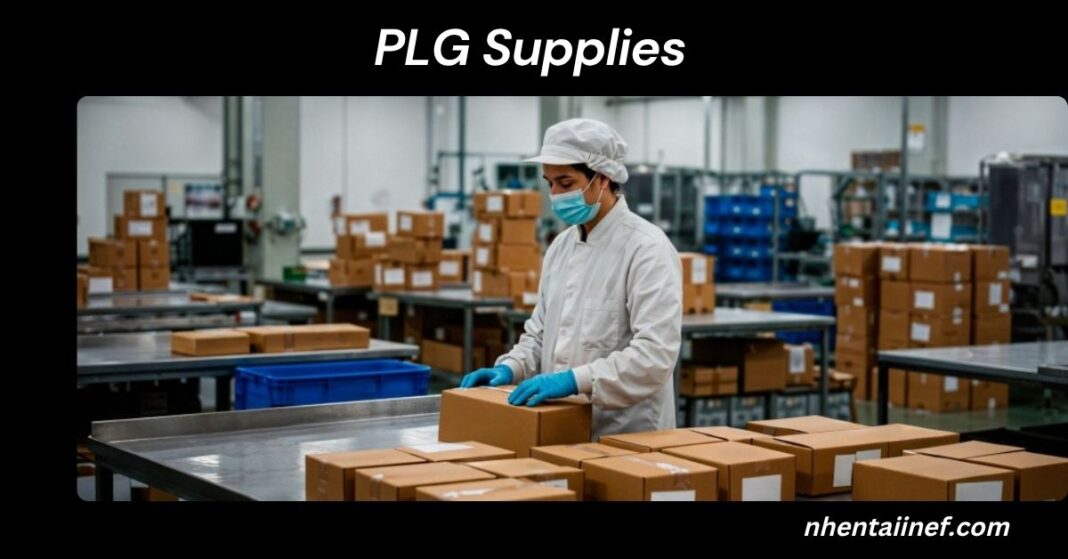
When it comes to optimizing business operations, one key element that often gets overlooked is the supply chain. PLG supplies, which include raw materials, packaging solutions, and maintenance tools, are essential components of any operation that aims to function smoothly and efficiently. This article will dive deep into the importance of PLG supplies, their categories, and their impact on businesses across various industries. We’ll also explore practical tips on how to effectively manage these supplies and the latest innovations in this area.
What are PLG Supplies?
PLG supplies are the fundamental resources required by businesses to keep their operations running smoothly. The acronym “PLG” stands for Production, Logistics, and Goods, which gives us an idea of the three key areas that these supplies cover.
- Production: This refers to the raw materials that are used in manufacturing processes. These materials are essential for creating the final product.
- Logistics: Logistics supplies include packaging and storage materials. These are necessary to safely and efficiently move products from one stage of production to another and eventually to the customer.
- Goods: Maintenance tools and equipment are categorized under goods. These items ensure that machinery and equipment used in production remain in good working condition, minimizing downtime and maximizing productivity.
In essence, PLG supplies help bridge the gap between raw materials and finished products while ensuring that all machinery and logistics channels remain operational.
Why Are PLG Supplies Crucial for Businesses?
PLG supplies serve as the backbone of many industries, ranging from manufacturing to retail. Here’s why they are indispensable:
1. Ensure Smooth Operations
Businesses depend on a steady supply of raw materials to maintain continuous production. Without the right PLG supplies, companies risk delays, inefficiencies, and higher costs. This is especially crucial in industries like construction, electronics, and food production, where delays in supply chains can result in significant losses.
2. Boost Product Quality
High-quality raw materials directly affect the quality of the final product. For example, in the automotive industry, the use of high-quality raw materials ensures that the vehicles are durable and safe for consumers. PLG supplies enable companies to produce goods that meet or exceed customer expectations, enhancing their reputation and fostering brand loyalty.
Also Read: Pravi Celer: The Peppery Vegetable That Transforms Your Meals
3. Reduce Costs
Efficient use of packaging solutions can significantly cut down on waste, leading to cost savings in the long term. Additionally, well-maintained machinery, thanks to proper maintenance tools, reduces the likelihood of expensive repairs and downtime.
4. Compliance with Regulations
Different industries have specific regulations regarding packaging and maintenance. By using the correct PLG supplies, businesses can ensure compliance with safety standards, environmental laws, and product packaging regulations.
Types of PLG Supplies
PLG supplies encompass several categories. Below is an in-depth look at each one:
Raw Materials
Raw materials are the foundation of any production process. Depending on the industry, these can include:
- Metals and Alloys: Used in industries like construction, manufacturing, and aerospace.
- Plastics and Resins: Essential in the production of containers, packaging materials, and electronics.
- Food Ingredients: In the food and beverage industry, raw materials such as grains, fruits, and vegetables are essential.
- Wood and Paper Products: Used in construction, furniture making, and packaging.
Efficient sourcing and management of raw materials ensure that production lines run smoothly without interruptions. Proper inventory management and forecasting can help avoid shortages and excess stock, which can tie up capital.
Packaging Solutions
Packaging is not just about protecting the product but also plays a vital role in branding and customer satisfaction. Packaging solutions include:
- Cardboard Boxes: Used across industries for storing and transporting goods.
- Shrink Wraps and Films: Common in industries like retail and food production for sealing and protecting products.
- Glass and Plastic Containers: Used primarily in the food, beverage, and cosmetics industries.
- Eco-friendly Packaging: With sustainability becoming a priority, businesses are increasingly turning to biodegradable and recyclable packaging options.
A well-designed packaging solution is crucial for both the safety of products during transit and the presentation of goods to consumers. Brands that use eco-friendly materials also benefit from aligning with sustainability trends, boosting their reputation among environmentally conscious customers.
Maintenance Tools
Maintenance tools are essential for keeping machinery and equipment in working order. The maintenance of equipment prevents downtime, ensures product quality, and helps businesses avoid costly repairs. Common maintenance tools include:
Also Read: Mannacote: Exploring Its Meaning, Uses, and Significance
- Lubricants and Oils: Keep machinery running smoothly by reducing friction and wear.
- Cleaning Supplies: Tools such as brushes, solvents, and wipes help maintain clean and efficient production lines.
- Repair Kits: For minor fixes and troubleshooting without the need for external technicians.
- Spare Parts: Regularly updated spare parts inventory ensures quick replacements when something breaks down.
Without the proper maintenance tools, companies face increased downtime, decreased productivity, and lower overall operational efficiency.
Best Practices for Managing PLG Supplies
Managing PLG supplies effectively is crucial for any business. Here are some best practices to ensure the smooth flow of materials, packaging, and maintenance tools:
1. Inventory Management
An efficient inventory management system helps businesses track raw materials, packaging solutions, and maintenance tools. By using automated systems, companies can keep track of stock levels and place orders before running out. This prevents production stoppages and excess stock.
2. Forecasting Demand
Accurate forecasting helps ensure that the right amount of supplies are available at the right time. Businesses can predict demand based on historical data, seasonal trends, and upcoming orders. This reduces the chances of understocking or overstocking supplies.
3. Supplier Relationships
Building strong relationships with reliable suppliers ensures timely delivery and often better pricing. In the case of raw materials, having multiple suppliers can safeguard against disruptions in supply chains due to geopolitical or economic issues.
4. Sustainability Practices
Opting for sustainable packaging materials and eco-friendly maintenance tools can significantly reduce a company’s environmental footprint. More businesses are being held accountable for their impact on the planet, so prioritizing green alternatives is a key consideration.
5. Routine Maintenance
Regular maintenance of equipment ensures that it continues functioning at optimal levels. Scheduled downtime for repairs and servicing can help prevent major breakdowns, reducing production delays and expensive emergency repairs.
The Impact of PLG Supplies on Different Industries
Manufacturing Industry
In manufacturing, raw materials and maintenance tools are critical. Manufacturing plants depend heavily on a constant supply of materials to maintain production schedules. Packaging solutions are also vital for protecting goods during transit, ensuring products arrive safely at their destination.
Food and Beverage Industry
For the food industry, raw ingredients are essential for producing safe, high-quality products. Packaging, particularly for perishable items, must adhere to strict safety standards to ensure freshness. Maintenance tools are necessary to maintain the production lines and ensure food safety regulations are met.
Retail Industry
For retailers, packaging is vital for both product protection and brand identity. Eco-friendly packaging has become a significant trend in retail as consumers increasingly prefer sustainable products. Maintenance tools are used in retail warehouses to maintain stock management systems and delivery vehicles.
Also Read: Direct Fairways Lawsuit: A Comprehensive Overview
Innovations in PLG Supplies
As industries continue to evolve, so too do the innovations in PLG supplies. Recent trends include:
- Smart Packaging: Packaging solutions equipped with sensors that monitor temperature, humidity, and location during transit. This ensures the product remains in optimal conditions, especially for sensitive goods like electronics and pharmaceuticals.
- 3D Printing of Raw Materials: Additive manufacturing technologies allow for the creation of custom parts and materials, reducing waste and improving efficiency in production processes.
- AI-Driven Maintenance Tools: AI-powered tools predict when maintenance is needed, reducing unplanned downtime and increasing equipment lifespan.
FAQs About PLG Supplies
What are the three main categories of PLG supplies?
PLG supplies include raw materials for production, packaging solutions for logistics, and maintenance tools for equipment upkeep.
How do PLG supplies impact product quality?
High-quality raw materials ensure that the final product meets or exceeds industry standards. Efficient packaging protects products during transit, and well-maintained machinery ensures consistent production quality.
Can PLG supplies help reduce business costs?
Yes, by using the right raw materials, packaging solutions, and maintenance tools, businesses can minimize waste, reduce downtime, and optimize operational efficiency, ultimately lowering costs.
How can businesses manage their PLG supplies effectively?
Businesses can use inventory management systems, forecast demand accurately, build strong supplier relationships, and implement regular maintenance schedules to optimize PLG supplies.
What role do eco-friendly packaging materials play in PLG supplies?
Eco-friendly packaging helps businesses reduce their environmental footprint, appeal to eco-conscious consumers, and comply with regulations on sustainable practices.
Conclusion
PLG supplies—raw materials, packaging solutions, and maintenance tools—are the lifeblood of many industries. By managing these supplies efficiently, businesses can reduce costs, improve product quality, and enhance operational efficiency. As industries continue to innovate, adopting sustainable and technologically advanced solutions for PLG supplies will be crucial for staying competitive in a rapidly evolving market.